Quick Summary
Most real estate agent marketing revolves around generic monthly email newsletters, open houses, and social media ads. To put your name in front of people’s minds, you must step out of the box: farm a specific neighbourhood, create an on-demand neighborhood tour with eWebinar, and follow up leads while interest is fresh.
Why Marketing Yourself is the Whole Job Now
Real estate is a relationship business. People are more likely to hire an agent they already know, or one who feels familiar. In fact, 80% of sellers speak with just one agent before making a decision. The question is: how do you become that familiar name before anyone picks up the phone?
In 2025, the National Association of Realtors found that the average seller had owned their home for up to 11 years before listing it. Meanwhile, buyers care most about neighborhood quality and proximity to friends and family. This means that the people who’ll list or buy near you in a few years already live around you now.
This guide walks through the best ways to reach customers, from farming a neighborhood and turning viewers into leads, to following up with prospects.
Why Listen to Us?
We help real estate businesses deliver educational content to buyers and sellers at scale without losing the personal connection that drives relationships. John L. Scott Real Estate, a large Pacific Northwest brokerage, reports success using eWebinar for lead generation, recruiting, and unpacking growth opportunities with prospects.
The results extend beyond one brand: the average attendance rate across all on-demand eWebinars is 83%, while live webinars sit at around 40%.For real estate agents marketing to prospects, that means more opportunities for people to get to know you through video and ask questions, so you can start building relationships with them.
What is Real Estate Agent Marketing?
Real estate agent marketing is all the ways an agent stays visible to local buyers and sellers between transactions. It’s how you build a reputation before anyone’s ready to buy or sell. That makes it a different job from marketing one listing that’s already sitting on the market.
That difference matters because of how people pick an agent in the first place. According to NAR’s 2025 Profile of Home Buyers and Sellers, 88% of buyers purchase their home through a real estate agent or broker.
Referrals from friends, neighbors, or relatives remain the single biggest way buyers find their real estate agent, with 40% of buyers finding their agent this way, ahead of any specific online channel.
So a good marketing plan builds toward being the person a neighbor remembers and recommends, and that keeps paying off long after any single lead does.
How to Market Yourself as a Real Estate Agent
1. Farm One Neighborhood on Purpose
Redfin found that 2.8% of U.S. homes changed hands in 2025 — the lowest turnover rate in at least three decades. That means homeowners may stay put in one neighbourhood for years, and a consistent presence in that neighbourhood makes it more likely that you’ll be the agent they remember when they want to list.
Pick one specific area and commit to it. Real estate coaches call this farming, and it works because of some simple math. A neighborhood of 300 homes would produce about eight transactions in a year, and if you’re the agent they recognize, a few hundred doors will keep producing listings for you year after year.
However, farming takes longer to pay off than most agents expect. Real estate marketing coaches generally put the payoff window at six months to a year of consistent showing up. That’s roughly how long a neighborhood takes to start thinking of you as its agent.
So pick an area small enough that you can cover every street. Then keep showing up in it the same way, month after month, until people there know exactly who you are.
2. Give Your Newsletter Something People Can Respond To
Most agent marketing is still a one-way street. The classic playbook is to build a local list and send out a monthly email newsletter, basically digital mail farming. It keeps your name in front of people, but a standard newsletter is passive. Readers skim it, close it, and move on. They can't ask a quick question, share what they're looking for, or give you the context you need to turn them into an actual client.
You get much better results when you pair that newsletter with an interactive element.
Instead of dumping plain text into an inbox, drop in a link to an engaging video update. Walk through what's actually happening in the local market, break down a recent sale, or highlight a new opportunity. The core message doesn't have to change, but the video format gives prospects an easy reason to click, watch, and start an actual conversation with you.
eWebinar makes that engagement seamless. While a prospect watches your market update, they can type a question directly into a chat box, triggering a notification on your end. It functions just like text messaging: you reply when you have a moment, and they receive the response directly. Every question gets answered, ensuring serious inquiries never slip through the cracks.
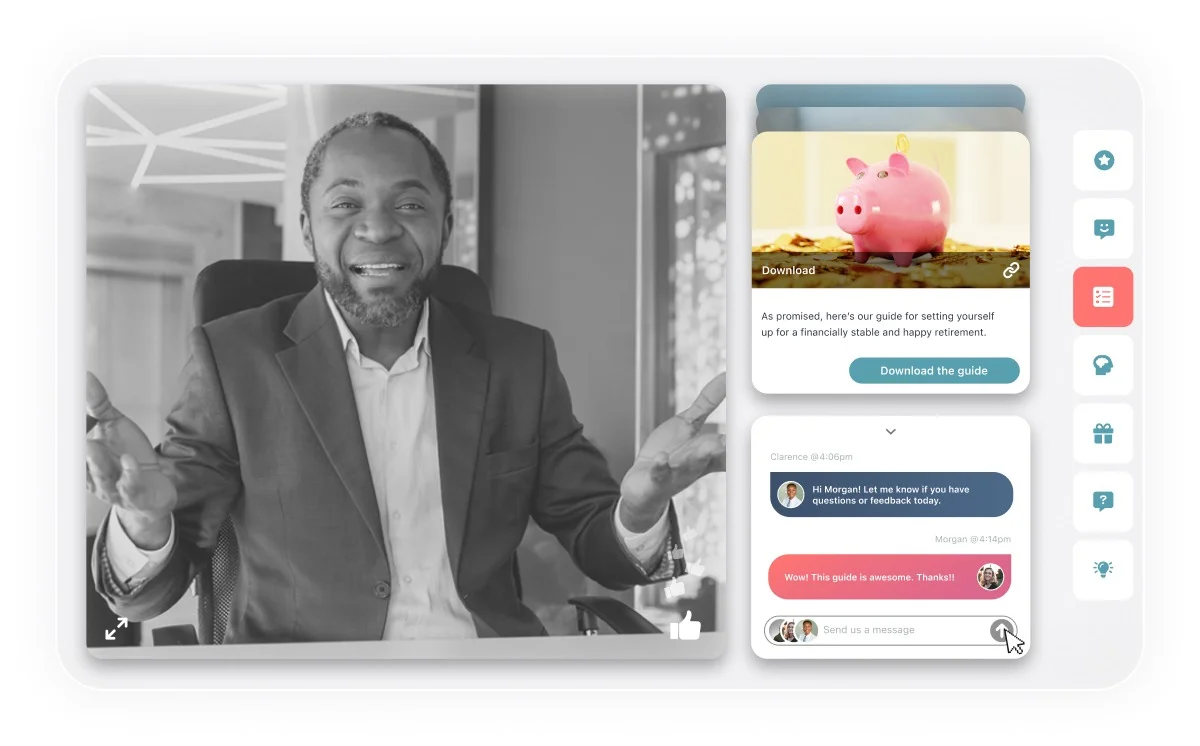
You can also embed useful polls directly inside the video to qualify viewers in real time. If your newsletter targets leads who are already familiar with your brand, simple pop-up questions like "Are you planning to sell within 6 months?" or "Just keeping an eye on the market?" let viewers respond with a single click. That data syncs straight to your CRM without forcing anyone to fill out a lengthy contact form or schedule an initial call.
That context completely changes your follow-up strategy. Rather than sending generic check-ins to your entire database, you can reach out with tailored advice. A homeowner planning to sell within six months receives a home valuation, while someone exploring investments gets a breakdown of local rental yields. The newsletter stops being a passive brand awareness exercise and becomes a reliable driver of qualified leads.
This approach works across the broader housing industry too. Mortgage teams, for example, use structured video sessions to run first-time buyer classes and loan education, turning basic educational content into a consistent source of warm, qualified prospects.
3. Show Your Expertise Without Asking for a Meeting
Most buyers and sellers aren’t ready to talk to an agent yet, because reaching out feels like a commitment. If they need to call or set up a meeting to learn what you have to offer, they’ll often stall until they have no choice.
An on-demand eWebinar gives them a simpler route in. You already know the answers prospects want, from how homes in your neighbourhood are selling to what first-time buyers should expect. Instead of waiting for someone to book a call, record the answers once on video and put it out there.
For example, you could create an eWebinar that takes viewers on an informational tour of your neighbourhood, highlighting local amenities, distinct parts of the area, and what buyers should know before making a move. Prospects can watch when it's convenient, get a feel of your expertise and personality, and easily share it with friends or family.
Take a look how Alethea Lai, a top agent on the Big Island of Hawaii at Sotheby's International Realty, leverages eWebinar to deliver her neighborhood tour to prospective buyers everywhere:

Make your video interactive with eWebinar, just like you’re live. You can build questions into the session: ask viewers inside the session if they own a home, whether they’re mortgage-approved, which area they’re looking at, and why they’re moving. Viewers respond in chat and by the end, you’ll know nearly everything you normally ask on a first call.
4. Treat the Open House as One of Several Channels
Open houses work, but there’s a hard ceiling on how many you can run. Melissa puts it plainly: “You can only do a maximum of two open houses a weekend. One on Saturday and one on Sunday.”
That also assumes you have something to show. If you don’t have a house to sell, you can’t do an open house, so plenty of agents end up borrowing another agent’s listing just to have somewhere to host.
Host open houses where they make sense, but don’t make them your only channel. Put effort and resources into farming your neighborhoods and sharing a pre-recorded video introduction that lets people get to know you without any commitment. That way, you stay visible even when you have no listing to show.
5. Follow Up While the Interest is Still Fresh
When someone watches your session and answers even one of your questions, they’ve told you where they are in their search. Follow up on the same day, while the session is still on their minds.
Real estate agents live and die by their pipeline. Leads are your source of revenue and livelihood. If someone who just watched a session about your neighborhood interacts to say that they’re mortgage-approved, that’s about as warm as a lead gets.
Reach out quickly and mention something specific they shared: the area they’re looking at, their timeline, or the reason they’re moving. Skip the generic “thanks for your interest”; it tells viewers nobody was paying attention.
Even if you weren’t available to interact in real time, viewers filled in-video forms, answered quizzes, and polls provided contact information you can use for follow-up. Get back to them fast with something only you could know, and you become the agent they call.
How eWebinar Elevates Real Estate Agent Marketing
Real estate agent marketing relies heavily on staying visible, but you can’t be everywhere at once. If you want to reach more prospects 24/7, eWebinar puts your sales efforts on autopilot.
eWebinar is an on-demand video platform that uses chat, polls, and other interactive elements to simulate a live presentation. Record a video about your services or your knowledge in the market, upload it, and let interested parties choose when to watch it.
The platform lets you clone yourself, while improving the attendee experience. Here’s how:
1. Scalable Private Chat
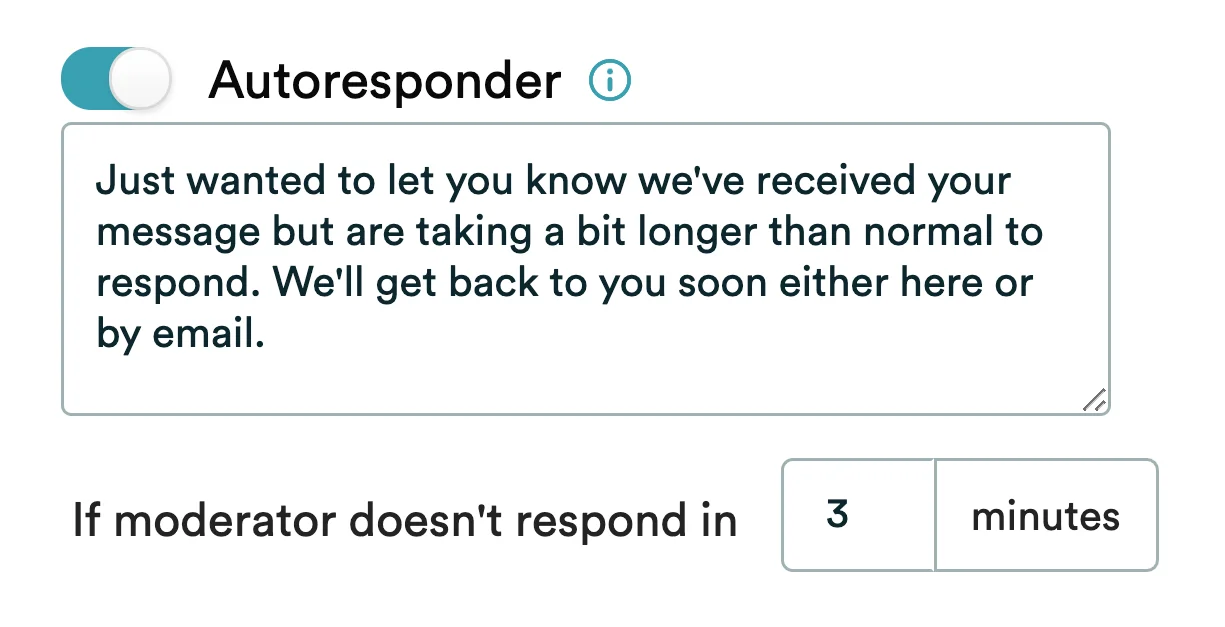
Send an automated, personalised welcome message and let viewers chat with you during the session. You’re notified when someone replies so you can respond in real time. If you can’t, they get an automated response assuring them you’ll reply later via email.
2. Actionable Analytics
Track key performance metrics like registration, attendance, engagement, watch times, conversion, and more. These numbers provide useful insight into when and why prospects engage or drop off.
3. Whitelist or Blacklist Anyone
Set up access control to limit who can sign up for your eWebinars. You can block certain domains from signing up, to stop your competition from scoping out your offers.
4. Flexible Scheduling
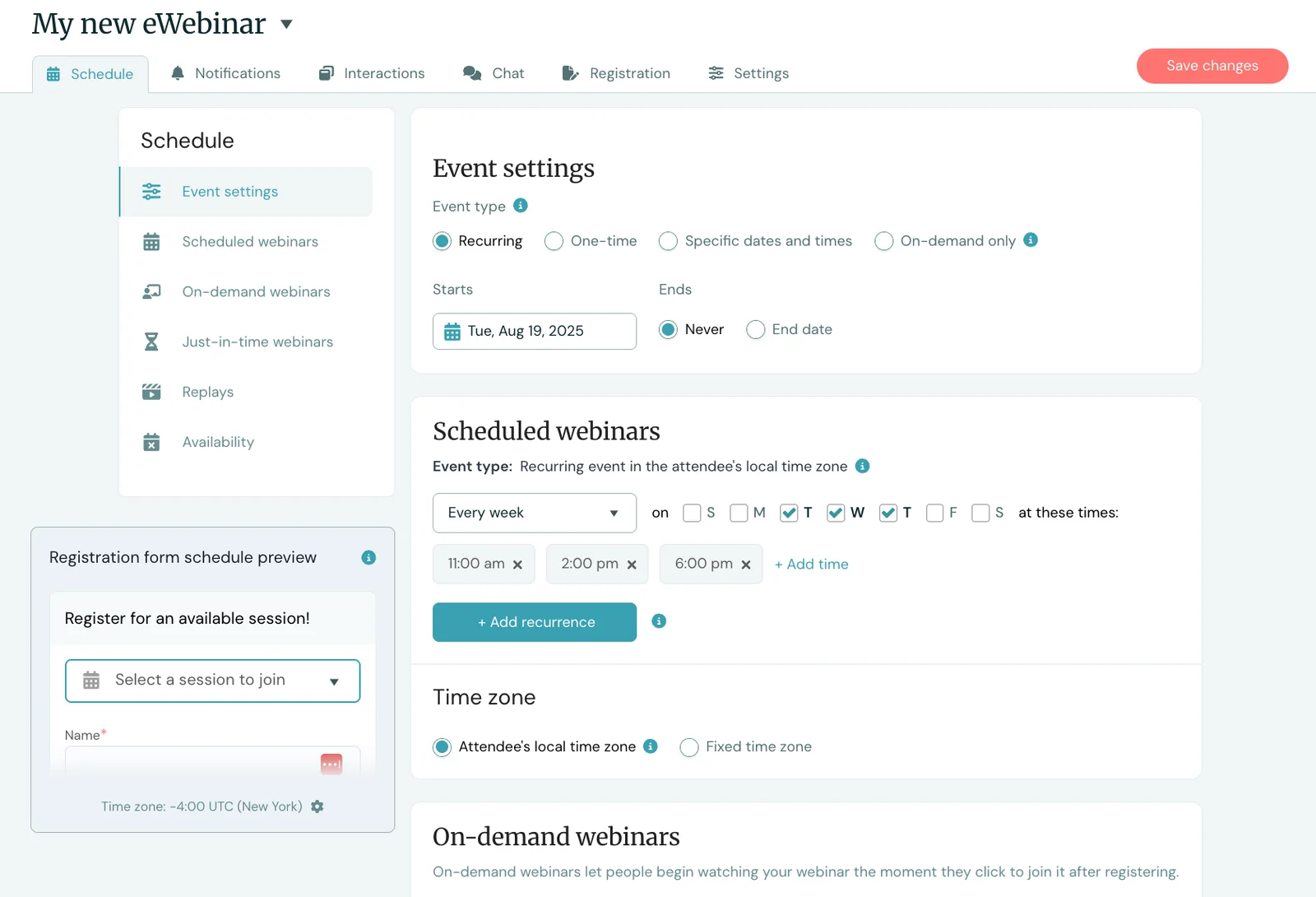
Let prospects choose when to watch your eWebinar and watch attendance triple. You can offer sessions on-demand, on recurring schedules, or let visitors sign up to get a replay link they can watch later on their own.
Where to Start This Week
Pick the neighborhood you want to be known in and show up there every month. Wherever they find you, give prospects a video introduction to your services that they can watch and respond to on their own time.
With eWebinar, prospects can learn about what you have to offer and how you can help them without too much commitment up front. A homeowner wondering what their place is worth can watch you explain how you’d price it, ask questions, and decide whether you’re the right agent before committing to a meeting. They can get to know you through video before reaching out, and by the time they do, they’re ready t o work with you.
Watch our demo to see how you can get your message in front of everyone and turn engagement into clients.
Frequently Asked Questions
Is farming still worth it for real estate agents?
Yes, it is. Pick a neighborhood and build your visibility over time until relationships turn into listings. Real estate coaches put the payoff at up to one year of consistency, so treat farming as a long-term strategy.
How often should I send a real estate newsletter?
A monthly newsletter is a common, practical choice for real estate agents. What matters more is giving readers something to also engage with; include links to a related video recording they can watch and respond to.
Do open houses still generate leads?
Yes, but opportunities depend on your listings and schedule. If you don’t have your own listing, you may be able to host another agent’s open house with the appropriate authorization. Treat open houses as one way to meet buyers and sellers, but keep other marketing channels running.
What should a new agent spend their marketing budget on first?
Start with neighbourhood farming plus on-demand eWebinars to show your expertise without live meetings. These strategies build recognition and relationships, so they should come before broad paid advertising; 40% of buyers found their agent through a friend, neighbor, or relative.
Is marketing to buyers different from marketing to sellers?
The message is different, but the channels still overlap; farming, a newsletter, and an on-demand introduction work for both. Buyers want to know you understand the neighborhoods they’re considering, while sellers want confidence that you can price and market their home effectively. Your message should address the concerns of your target audience.
Curious to see how eWebinar can help run your demos, onboarding, and training sessions on autopilot?
Watch a one-minute explainer video for a quick overview of the eWebinar platform. Or, better yet, join our on-demand demo to learn more!